


Improving Philadelphia Sleep Quality by Regulating Your Clock
What if the most effective sleep aid isn't found in a pharmacy, but right outside your back door? For many Philadelphia professionals, the day is defined by high-pressure environments and the relentless glow of digital screens, leaving the body's natural rhythm in a state of constant confusion. You likely recognize the frustration of a mind that won't quiet down, even after the lights finally go out.
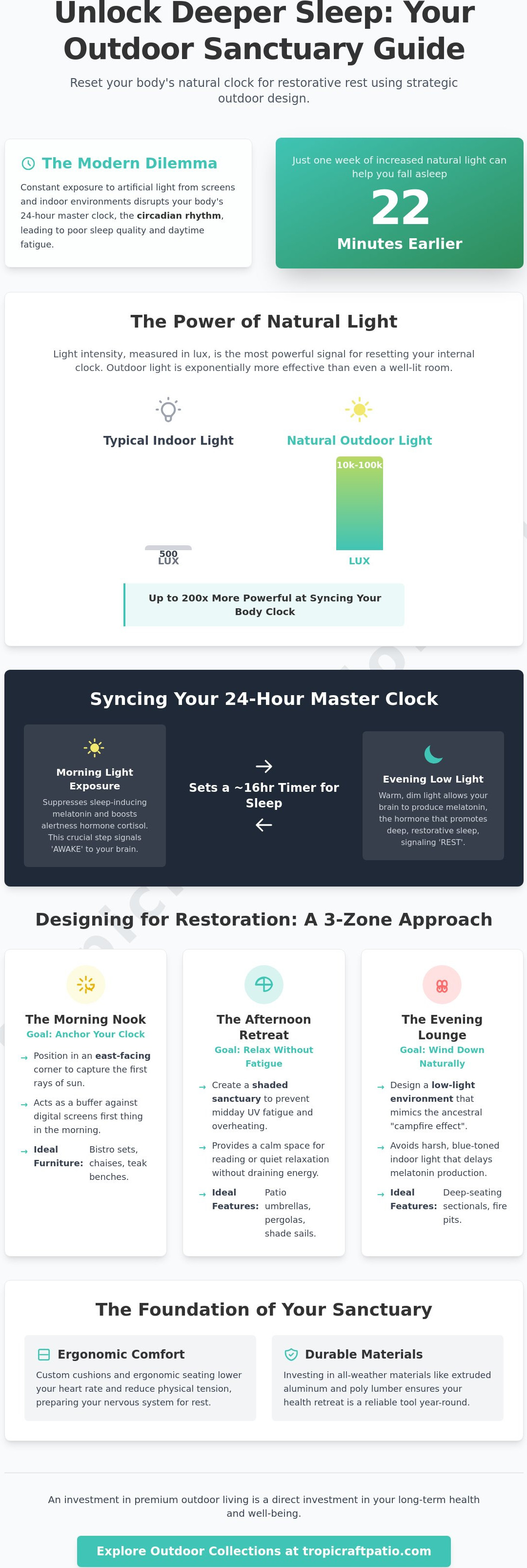
We understand that a truly refined home should support your well-being, and improving sleep quality by regulating your internal clock is a cornerstone of that mission. Research indicates that individuals who enjoy natural light for just one week can fall asleep an average of 22 minutes earlier. This article explores how a strategically designed outdoor sanctuary can reset your circadian rhythms and lead to deeper, more restorative rest. We'll examine the science of light exposure and the essential design elements needed to create your own private, health-focused retreat.
Key Takeaways
Understand how your body's circadian rhythm functions as a master clock and why morning light exposure is the ultimate signal for daytime alertness.
Learn to design specialized "Zones of Restoration" in your backyard that align with your natural biological needs from sunrise to sunset.
Discover the vital link between physical relaxation and improving sleep quality by regulating your internal clock using ergonomic outdoor seating.
Identify why investing in durable materials like poly lumber and extruded aluminum ensures your sanctuary remains a reliable health tool year-round.
Table of Contents
The Science of Sunlight and Improving Sleep Quality by Regulating Your Internal Clock
The human body operates on a sophisticated 24-hour cycle known as the circadian rhythm. This internal master clock acts as a silent conductor, regulating everything from hormone production to daily energy peaks. When this rhythm is aligned with the natural world, your body instinctively knows when to be alert and when to rest. Unfortunately, many Philadelphia homeowners experience "Indoor Living Syndrome," where constant exposure to artificial blue light from screens and office bulbs tricks the brain into staying awake long past sunset.
The solution lies in the intensity of light, measured in lux. While a well-lit interior might reach 500 lux, stepping into a backyard sanctuary exposes you to 10,000 to 100,000 lux, even on an overcast day. This massive difference in intensity is why outdoor light is significantly more effective at resetting your clock than staying indoors. By prioritizing time in nature, you're investing in a lifestyle that values biological health and improving sleep quality by regulating your internal clock through consistent, high-intensity exposure.
Morning Light: The Catalyst for Nighttime Rest
The first 30 minutes of your day are critical for setting your body's sleep hygiene. Early exposure to bright, natural light suppresses melatonin and triggers a healthy surge of cortisol, signaling to your brain that the day has begun. This morning exposure actually sets a biological timer that prepares you for sleep approximately 16 hours later.
Imagine starting your day with a quiet meditation or a warm cup of coffee while seated on a handcrafted teak bench. This simple ritual is a powerful method for grounding your nervous system. Direct morning sunlight serves as the essential anchor for circadian entrainment, ensuring your body remains synchronized with the natural day-night cycle.
The Melatonin Transition: Evening Light Management
As the sun begins to set, the angle of light shifts and the color temperature warms to a rich amber. This transition signals your body to begin the production of melatonin, the hormone responsible for deep, restorative sleep. Bright overhead lighting inside the home can create a "second wind" that delays this process and leaves you tossing and turning. By moving your evening wind-down to the patio, you can utilize soft outdoor lighting or the natural glow of fire pits to ease into a restful state, avoiding the disruption of harsh artificial bulbs.
Designing Your Sanctuary: Creating an Outdoor Space That Supports Sleep Hygiene
Your backyard is more than a plot of land; it's a curated environment designed for biological restoration. Designing these spaces requires more than just aesthetics. It involves understanding how light exposure affects your sleep-wake cycle throughout the day. By dividing your patio into three distinct "Zones of Restoration," you create a functional roadmap for your body's recovery.
The foundation of a restorative space lies in sensory engagement and physical ease. High-quality materials like resin wicker offer a tactile, organic richness that helps lower cortisol levels. To further reduce physical tension, custom outdoor cushions provide the necessary ergonomic support to lower your heart rate and prepare your nervous system for rest. This holistic approach is essential for and improving sleep quality by regulating your internal clock.
The Morning Nook: Positioned to catch the first rays of the east-facing sun.
The Afternoon Retreat: A shaded sanctuary using patio umbrellas to prevent midday UV fatigue.
The Evening Lounge: A low-light area designed for gradual wind-down.
The Morning Nook: Entraining Your Clock
Place a bistro set or a pair of chaises in an east-facing corner to capture the early morning spectrum. This dedicated sanctuary serves as a psychological buffer against digital distractions. Starting your day here, away from the blue light of smartphones, allows your brain to synchronize with the sun's natural intensity. It's an investment in a lifestyle that prioritizes mental clarity before the workday begins.
The Evening Lounge: The Pre-Sleep Wind Down
As dusk approaches, shift your focus to deep-seating sectionals and the gentle flicker of fire pits. This setup mimics the ancestral "campfire" effect, which naturally promotes sleepiness by providing warm, low-angle light. Choose fabric textures in muted earth tones to evoke a sense of tranquility. If you're ready to transform your landscape into a recovery-focused retreat, reach out to our design consultants for personalized guidance.
The ROI of Relaxation: Why Premium Outdoor Living is a Health Investment
Investing in a high-end patio is far more than a simple home improvement project; it's a commitment to your long-term health and cognitive performance. By prioritizing environmental cues that regulate sleep, you're creating a functional space that pays daily dividends in energy and focus. This transition from a standard backyard to a sophisticated health-regulating retreat is a strategic move for any high-stress lifestyle, providing a natural path toward better health and improving sleep quality by regulating your internal clock.
To ensure this sanctuary is available throughout the variable Philadelphia seasons, material choice is paramount. High-density poly lumber and marine-grade aluminum provide the weather resistance needed to withstand local winters and humid summers. These materials ensure your investment remains a permanent, low-maintenance fixture of your wellness routine. Choosing professional, white-glove installation further supports your goals by removing the logistical stress and physical burden that often contribute to poor sleep quality.
Our consultants specialize in tailoring spaces specifically for longevity and improving sleep quality by regulating your internal clock. By focusing on craftsmanship and durability, we help you bridge the gap between simple outdoor seating and a truly restorative personal retreat.
Philadelphia & Jersey Shore: Seasonal Circadian Strategies
Shorter winter days in Pennsylvania don't have to mean a disconnection from nature. Incorporating fire pits and outdoor heaters allows you to maintain your light-exposure rituals even as the temperature drops. For those spending time at the coast, rust-proof aluminum dining furniture is essential. It resists the corrosive salt air while maintaining a refined aesthetic, ensuring your Shore house remains a sanctuary for rest and recovery year-round.
Experience the Sanctuary at our Ardmore Showroom
True comfort is a sensory experience that can't be fully captured through a screen. We invite you to visit our Ardmore showroom to physically test the ergonomic support and tactile quality of our various collections. With over 200 premium fabric choices, you can personalize every detail to create a sleep-supportive environment that matches your home's unique design. It's the first step toward transforming your backyard into a vital tool for your daily well-being.
Reclaiming Your Vitality Through Outdoor Design
Transforming your backyard into a personal sanctuary is a profound step toward reclaiming your daily energy. By prioritizing natural light exposure and creating dedicated zones for restoration, you're investing in your long-term health and improving sleep quality by regulating your internal clock. These curated environments provide the necessary biological cues to transition from a high-pressure day into a night of deep, restorative rest. It's a shift from simply owning a home to cultivating a lifestyle of wellness.
Since 1977, we've served the Philadelphia area with a commitment to craftsmanship and personalized service. Our collections offer over 200 custom fabric choices to ensure your retreat is as unique as your own design aesthetic. With professional white-glove delivery and installation, we handle every detail so you can focus entirely on your well-being. Visit our 20,000 sq. ft. Ardmore showroom to design your personal sleep sanctuary today.
Your path to a more balanced, energized life is waiting just beyond your back door. We look forward to helping you step into your new retreat.
Frequently Asked Questions
How many minutes of outdoor light do I need to improve my sleep quality?
You should aim for at least 15 to 30 minutes of direct natural sunlight as soon as possible after waking up. This specific window is the most effective for suppressing melatonin and improving sleep quality by regulating your internal clock for the upcoming night. Consistency is key. Making this a daily habit on your patio will yield the best results for your energy levels and overall mental clarity.
Can I still regulate my internal clock on cloudy days in Philadelphia?
Outdoor light on an overcast day in Philadelphia is still much more powerful than artificial indoor lighting. While indoor spaces typically offer 100 to 500 lux, a cloudy day provides around 10,000 lux. This level of intensity is more than enough to signal your brain to be alert. Spending time in your sanctuary during the day remains a vital part of and improving sleep quality by regulating your internal clock.
What type of outdoor furniture is best for afternoon relaxation?
Deep-seating sectionals or ergonomic chaises offer the best support for your body during afternoon relaxation. These pieces allow you to fully recline, reducing physical tension and lowering your heart rate. It's essential to pair these with high-quality umbrellas or cantilevers. Effective shade prevents overheating and midday UV fatigue, ensuring your afternoon retreat remains a comfortable space for restorative rest and quiet contemplation.
Does the color of my patio cushions affect my mood and sleep?
Soft neutrals and cool tones are the most effective colors for promoting a sense of tranquility. Shades like seafoam green, soft blue, or warm beige help lower cortisol levels and prepare the mind for relaxation. When selecting from our 200 plus fabric choices, consider how these colors interact with the natural landscape to create a cohesive, stress-free environment that supports your evening wind-down and mental peace.
Is it worth investing in a fire pit for sleep regulation?
A fire pit is an excellent investment for sleep regulation because it provides warm, low-angle light that mimics the ancestral campfire. This specific type of light spectrum signals the body to begin producing melatonin, the hormone responsible for sleep. By gathering around a fire pit in the evening, you avoid the harsh blue light of indoor bulbs that can disrupt your natural cycle and lead to a restless night.
How do I protect my health-investment furniture during a PA winter?
Protecting your furniture involves using high-quality protective covers and choosing weather-resistant materials like poly lumber or cast aluminum. These materials are specifically designed to withstand the freeze-thaw cycles of a Pennsylvania winter without cracking or rusting. While the furniture itself is incredibly durable, using custom-fit covers keeps the surfaces clean and ready for use as soon as the first warm days of spring arrive in Ardmore.


Comments